
Trail Running Safety Basics for Beginners and Beyond
20% off on product page · save $3.75
Trail Running Safety Basics for Beginners and Beyond
Start with a Trail That Fits Your Experience
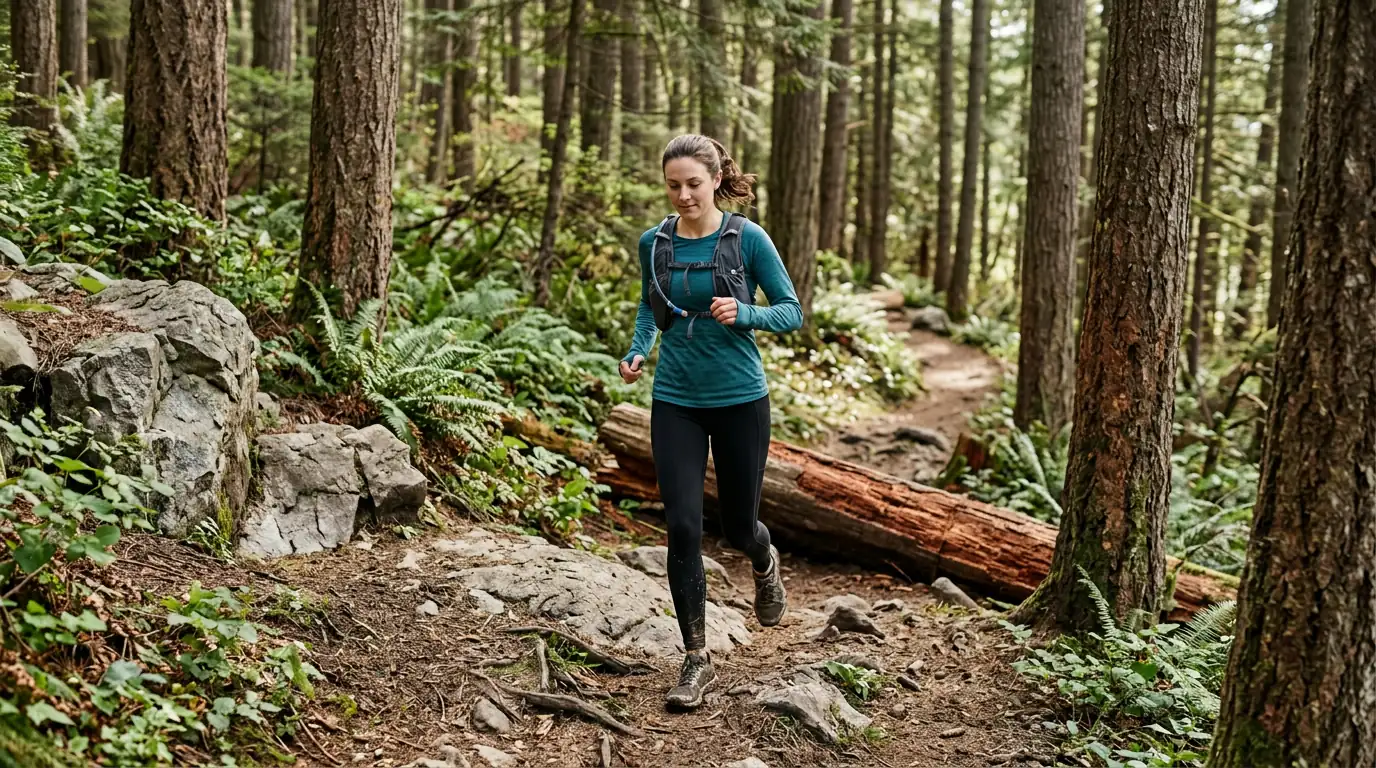
For your first outing, choose a familiar or well-marked route with a manageable distance and elevation gain. A shorter loop near home can give you time to get used to roots, rocks, and changing footing without committing to a long return trip. Remember that a trail mile may take longer than a road mile, especially when you’re climbing or walking technical sections.
Before you leave, check the forecast, available daylight, trail conditions, and park notices. Mud, high water, closures, or extreme heat can turn a comfortable route into a poor choice. Give yourself a generous time cushion, and know where you can shorten the run if necessary.
Share your route, starting point, and expected return time with someone dependable. Agree on what they should do if you don’t check in as planned, and let them know when you’re safely back. For more preparation advice, see the National Park Service’s hiking safety guidance.
Pack for the Conditions
Match your kit to the distance, weather, terrain, and remoteness. Carry enough water and food for the planned effort, with a margin for delays, and consider how you’ll stay warm or dry if you need to stop.
- Water and a snack: support hydration and energy.
- Offline navigation: download your route and bring a paper map and compass you know how to use when appropriate.
- Weather-appropriate layer: prepare for changing conditions.
- Whistle and basic first-aid supplies: help you signal and address minor injuries.
- Headlamp: help you see if the run lasts longer than planned.
A charged phone may not have service. On remote trails, consider a suitable satellite communication device and learn how to use it. If thunderstorms are possible, reconsider exposed routes and plan to reach a substantial building or hard-topped vehicle; outdoor shelter is not a safe substitute.
Featured in this guide
Your Essential Guide to Safe & Thrilling Trail Running – Trail Running Safety Basics eBook for Beginners & Adventurous Runners
Move Safely on Uneven Ground
Let the terrain set your pace. Slow down on loose gravel, wet roots, steep descents, and unfamiliar ground. Look a few steps ahead while staying aware of what’s underfoot; shorter, controlled steps can help you react as the surface changes.
Give other trail users room to pass and follow posted rules. Walking a rocky climb or descent can conserve energy and help you stay in control. If fatigue, footing, weather, or remaining daylight make continuing unsafe, turn back or take your planned shorter route.
Build Confidence One Run at a Time
After each outing, consider whether the route was easy to follow, whether you brought enough water, and whether your shoes felt stable. Make small adjustments before increasing distance or choosing more demanding terrain.
Our Trail Running Safety Basics eBook is a resource for beginners and adventurous runners who want a thoughtful approach to their outings. Choose it if you’re looking for a trail-running safety resource alongside your own route-specific preparation.
Compare related options such as Dress in Colors That Truly Belong to You – Color Season Wardrobe Guide, Seasonal Color Analysis eBook, Capsule Closet Styling Download to match features, dimensions, and use case before choosing.
Before choosing, compare the product details with your daily routine, available space, care needs, and preferred setup. The strongest option is usually the one that fits the intended use clearly and remains simple to clean, store, and check before repeat use.
FAQ
What is the best way to protect my passport while traveling?
Keep your passport in a secure, dry place, such as an inner zippered pocket or a hotel safe when appropriate. Carry a separate copy and follow local requirements for identification.
What is the best way to carry cash when traveling internationally?
Split cash between secure locations and keep only what you need readily accessible. Avoid displaying large amounts, and carry a backup payment method separately.
What is the best portable safe for travel?
Choose a portable safe based on what you need to protect, its weight, and whether it can be secured to a fixed object. Treat it as a deterrent rather than a guarantee against theft.
What is the one safety gadget you should never travel alone without?
There is no single gadget that fits every trip. A charged phone can help, but service may be unreliable; for remote trails, consider a suitable satellite communication device and learn how to use it.
See if Your Essential Guide to Safe & Thrilling Trail Running – Trail Running Safety Basics eBook for Beginners & Adventurous Runners fits your setup


Leave a comment