25% off on product page · save $1.66
6 Easy Herbs to Grow at Home for Beginners
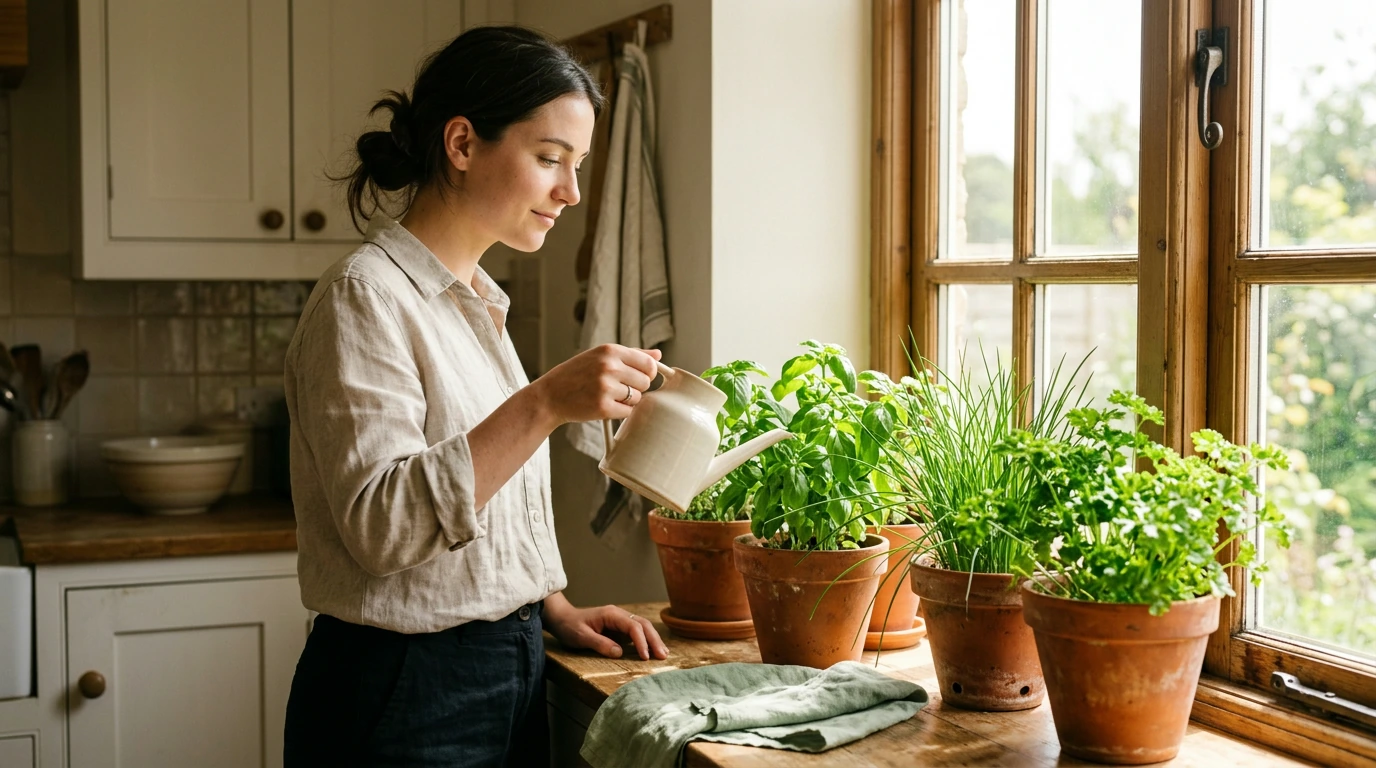
Basil is a rewarding choice for a warm, sunny spot: keep its soil evenly moist, and pinch off the growing tips regularly to encourage a bushier plant. Chives and parsley are also useful beginner herbs; both appreciate good light and regular watering, and you can snip their leaves as needed for eggs, salads, soups, and other everyday meals.
For a quick start, buy small plants rather than seeds, especially if you want to begin cooking with your herbs soon. You can read more in our guide to the easiest herbs to grow at home.
Mint is a vigorous herb that can be forgiving for beginners, and its leaves are useful in tea, drinks, and salads. Give it its own container because it spreads readily, keep the soil consistently moist without leaving it soggy, and place it where it receives bright light or some sun.
Harvest a few stems at a time to keep the plant productive, rather than stripping all its leaves at once. A separate pot also makes it easier to move mint indoors or outdoors as your space and weather allow.
Featured in this guide
Easy Herbs to Grow Indoors: Your Simple Checklist | Beginner-Friendly Indoor Herb Gardening Guide | Printable Kitchen Herb Checklist
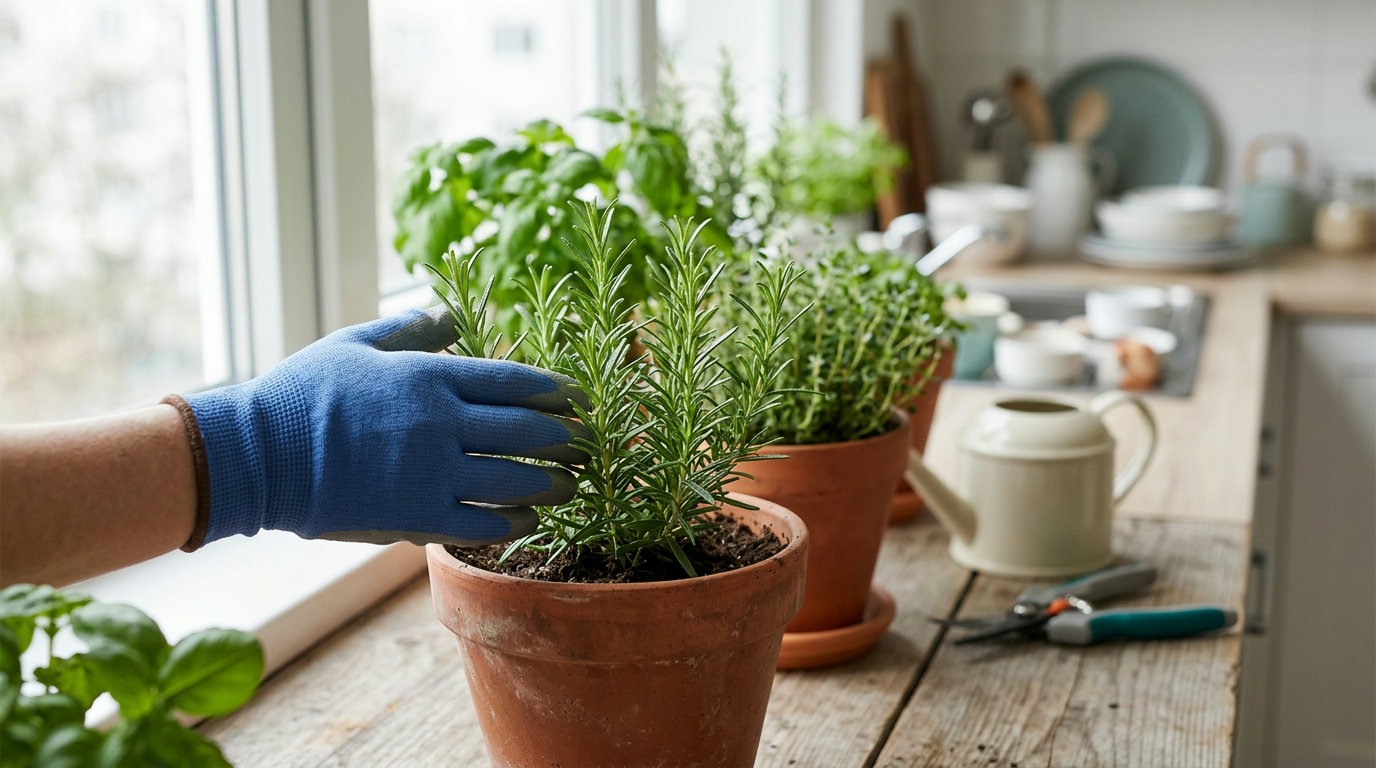
Rosemary and thyme are good options if you have a bright location and tend to forget an occasional watering, since they prefer soil that dries somewhat between waterings. Use pots with drainage holes and avoid letting them sit in water; indoors, give them your sunniest window or supplement with a grow light.
These woody herbs generally grow more slowly than basil or mint, so begin with small plants if you want a head start. Snip modest amounts for cooking and leave plenty of healthy growth on each plant.
Basil, chives, parsley, and mint are approachable choices when they receive enough light and appropriate watering. Start with established plants in separate pots, then harvest a little at a time as they grow.
July can still be a good time to plant herbs, particularly if you start with established plants or grow them indoors. Outdoors, consider your local growing season and protect new plants from intense heat while they settle in.










Leave a comment