What Is Strength at Home VA? A Guide for Veterans
What Is Strength at Home VA? A Guide for Veterans
What Is Strength at Home VA?
Strength at Home is a U.S. Department of Veterans Affairs program designed to help Veterans and service members address intimate partner violence, or IPV, and build healthier relationships. It focuses on recognizing harmful behavior, understanding triggers, and learning alternatives to aggression and control.
Check the product’s listed specifications when evaluating what is strength at home va.

Who Is the Program For?
Strength at Home is intended for people who have used, or are concerned about using, abusive behavior toward an intimate partner; it is not the same as a general fitness program or a couples counseling program. If you are a Veteran or service member and want to learn whether it is available and appropriate for you, contact your VA health care team or a local VA facility.

Featured in this guide
Strength at Home with Dumbbells: Digital Fitness Guide for Small Spaces | Home Dumbbell Routines for Small Spaces
What Does Participation Involve?
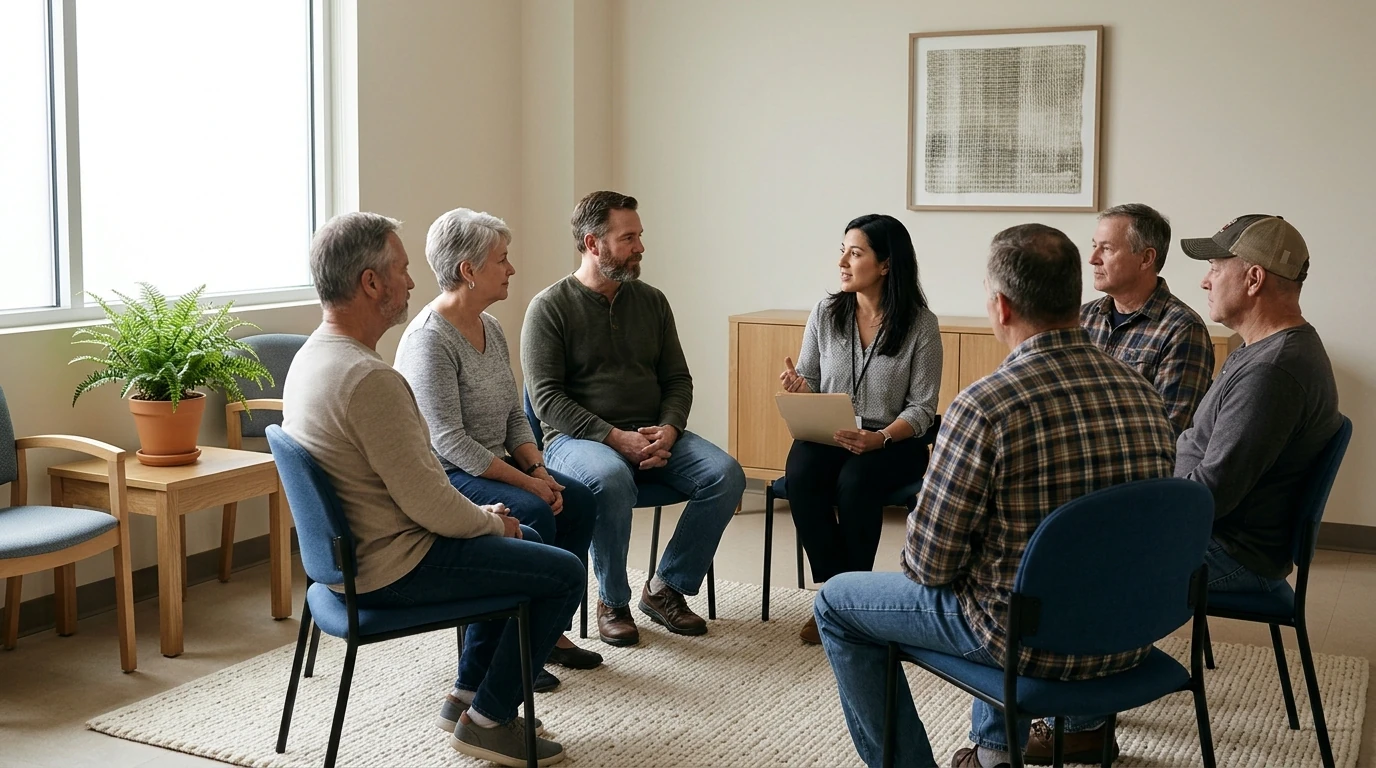
The program commonly uses structured group sessions to help participants identify patterns of conflict, examine beliefs that contribute to abusive behavior, and practice safer ways to respond. Topics can include managing difficult emotions, communicating without intimidation, and taking responsibility for choices, although your VA facility can explain the format and enrollment process it offers.
How Is It Different From Strength Training at Home?
Despite the similar wording, Strength at Home VA addresses relationship behavior, while strength training at home refers to exercise using resistance such as dumbbells. Our Strength at Home with Dumbbells: Digital Fitness Guide for Small Spaces is a fitness guide in our Yoga & Fitness category, not a VA relationship program; you can also read our article about Strength at Home VA for this distinction.
Check the product’s listed specifications when evaluating how is it different from strength training at home.
How Can You Find Support?
If you are worried about your own behavior, you can tell your VA health care team that you want help preventing harm and ask about Strength at Home or other available services. If you are experiencing abuse, consider contacting the National Domestic Violence Hotline at 800-799-SAFE or visiting thehotline.org from a device you feel safe using; if you are in immediate danger, call 911.

Watch · product page video
“What I appreciate most about these routines are how they help maximize minimal space while still providing an effective full body workout 👌”
Veliqua product page · Product review
FAQ
What are the four types of IPV?
The four commonly recognized types of intimate partner violence are physical violence, sexual violence, stalking, and psychological aggression. These behaviors can overlap, and psychological aggression can include intimidation, threats, or efforts to control a partner.
See if Strength at Home with Dumbbells: Digital Fitness Guide for Small Spaces | Home Dumbbell Routines for Small Spaces fits your setup


Leave a comment